Explore the history and cultural significance of tomato and herb sauces in Central Italy.
When you dive into the world of Central Italy's tomato and herb sauces, you're really stepping into a region where the climate and soil do half the work for you. Tomatoes here are something else, thanks to the Mediterranean climate. They ripen under the sun, soaking up all that warmth and turning into these juicy, sweet beauties. That's why they're the backbone of so many sauces in the region. Now, throw in herbs like basil, oregano, and parsley, and you've got the makings of something special. Fresh herbs are key. Dried just won't cut it if you're aiming for authenticity.
But let's talk about balance. Learn more about Regions and Their Influence on Pasta Sauce . The acidity of the tomatoes needs to be tamed, and that's where a pinch of sugar or a splash of wine comes in. You're not looking to make it sweet, just balanced. Overdo it, and you'll end up with something cloying, and that's a common rookie mistake. Timing matters too. Cook your sauce too quickly and you miss out on the depth of flavor that comes from letting it simmer. You want the sauce to thicken and the flavors to meld.
The right texture is another thing. You don't want it too smooth. A bit of chunkiness gives it character, some bite. And don't forget the olive oil. It's not just about cooking with it; a drizzle at the end can really elevate the whole thing. If you skip these steps, you're not just missing out on flavor, you're missing out on the essence of what makes Central Italy's sauces so cherished by food lovers.
Anyone curious about regional inspirations behind gourmet pasta sauce will appreciate the breakdown offered here..Identify key ingredients like ripe tomatoes and fresh herbs vital for authentic flavors.
Central Italy's tomato and herb sauces are a masterclass in simplicity and flavor. They're not just sauces; they're a reflection of the region's climate and agriculture. The tomatoes here are special. Grown in rich, volcanic soil, they soak up the sun, developing a sweet, intense flavor. When you combine these tomatoes with fresh herbs like basil, oregano, and thyme, you get a sauce that's both vibrant and aromatic, perfect for pasta or as a base for many Italian dishes.
Timing is crucial. Tomatoes harvested at their peak ripeness provide the best flavor. You're looking for that deep red color and a firm yet yielding texture. That's when they're bursting with juice and flavor. Chop them up, remove the seeds if you want a smoother sauce, and start simmering.
Now, herbs. Fresh is best. Dried herbs won't give you the same punch. Add them towards the end of cooking. This way, they retain their essential oils and don't turn bitter. Basil, in particular, should be torn, not chopped, to preserve its delicate aroma.
A common mistake? Overcooking. You don't want a mush. More About Pasta Sauce History and Influence . Keep an eye on it. If it's cooked too long, the sauce loses its bright flavor and becomes dull. And salt. Don't forget it, but add it gradually. Taste as you go.
What happens if you get it wrong? Well, you end up with a bland, lifeless sauce. But get it right, and you've captured a piece of Central Italy on your plate. It's about understanding the ingredients and respecting their natural properties. That's the key to perfecting these sauces.
Tips on choosing the best tomato varieties for rich and sweet sauce bases.
When it comes to crafting the perfect tomato and herb sauce in Central Italy, the choice of tomatoes is your starting point. This region's climate, with its warm summers and mild winters, produces tomatoes that are naturally sweet and tangy, perfect for creating a sauce with depth. San Marzano tomatoes are often hailed as the king of the crop here. They have a thick, meaty texture and fewer seeds, which means less time spent straining and more flavor in your pot.
Key Considerations for Tomato Sauce:
Fresh herbs are the next essential component. Basil is a classic, but don't shy away from experimenting with oregano or thyme. These herbs thrive in the Mediterranean climate, absorbing the sun and soil's unique qualities, which they then impart to your sauce. Fresh herbs should be added towards the end of cooking. This preserves their vibrant flavors, which can be lost if cooked too long.
A common pitfall is overcooking the sauce. While it might seem like longer cooking equals richer flavor, too much time on the stove can dull the freshness. Aim for a simmer, not a boil, and keep an eye on consistency. You want it thick enough to cling to pasta, yet not so reduced that it loses its bright character.
Another mistake is forgetting to season properly. Salt and a touch of sugar can balance acidity, but be cautious. The goal is to enhance, not overshadow, the natural flavors. If you miss this step, your sauce might end up tasting flat, no matter how fresh your ingredients are.
In the end, it's about respecting the ingredients and the region's traditions. These sauces are a testament to Central Italy's agricultural bounty, and when done right, they're a celebration of simplicity and flavor.
Explore the role of herbs such as basil, oregano, and parsley in enhancing sauce complexity.
Central Italy's tomato and herb sauces are a culinary cornerstone, offering a glimpse into the region's unique climate and agricultural practices. These sauces are not just about tomatoes and herbs combined; they are a study in balance and flavor. The tomatoes used are typically San Marzano or Roma, valued for their low water content and rich taste, making them ideal for a concentrated sauce. Fresh herbs like basil, oregano, and parsley are not just garnish—they're integral to the sauce's identity, each bringing its own aromatic profile that complements the tomatoes.
Timing is crucial. Tomatoes need to be ripe, but not overripe, to achieve the right acidity and sweetness. Herbs should be added towards the end of the cooking process to preserve their fresh flavor. A common mistake is adding them too early, which can result in a bitter taste. Another pitfall is overcooking the tomatoes, which can lead to a sauce that's more mushy than vibrant.
Understanding the role of the region's climate is key. The Mediterranean conditions in central Italy contribute to the intensity of the flavors. The sun-drenched fields and mineral-rich soil create tomatoes and herbs that are unparalleled in taste. Without these elements, the sauce risks being flat and uninspiring.
For foodies and amateur chefs, mastering these sauces means respecting the ingredients and knowing when to intervene in the cooking process. It's about understanding that each component has a role to play, and when done right, the result is a sauce that sings with the essence of central Italy. Ignore these details, and you might end up with a sauce that lacks depth and authenticity.
Techniques for simmering sauces to achieve the desired thickness and flavor balance.
Central Italy is a treasure trove for those who love tomato and herb sauces. These sauces aren't just about tossing tomatoes and herbs into a pot and hoping for the best. No, it's a bit more nuanced than that. The region's unique climate and rich soil create tomatoes that are both sweet and acidic, a balance that's crucial. When it comes to herbs, think fresh basil, oregano, and sometimes even rosemary. These are the herbs that thrive in this part of Italy and lend their vibrant flavors to the sauce.
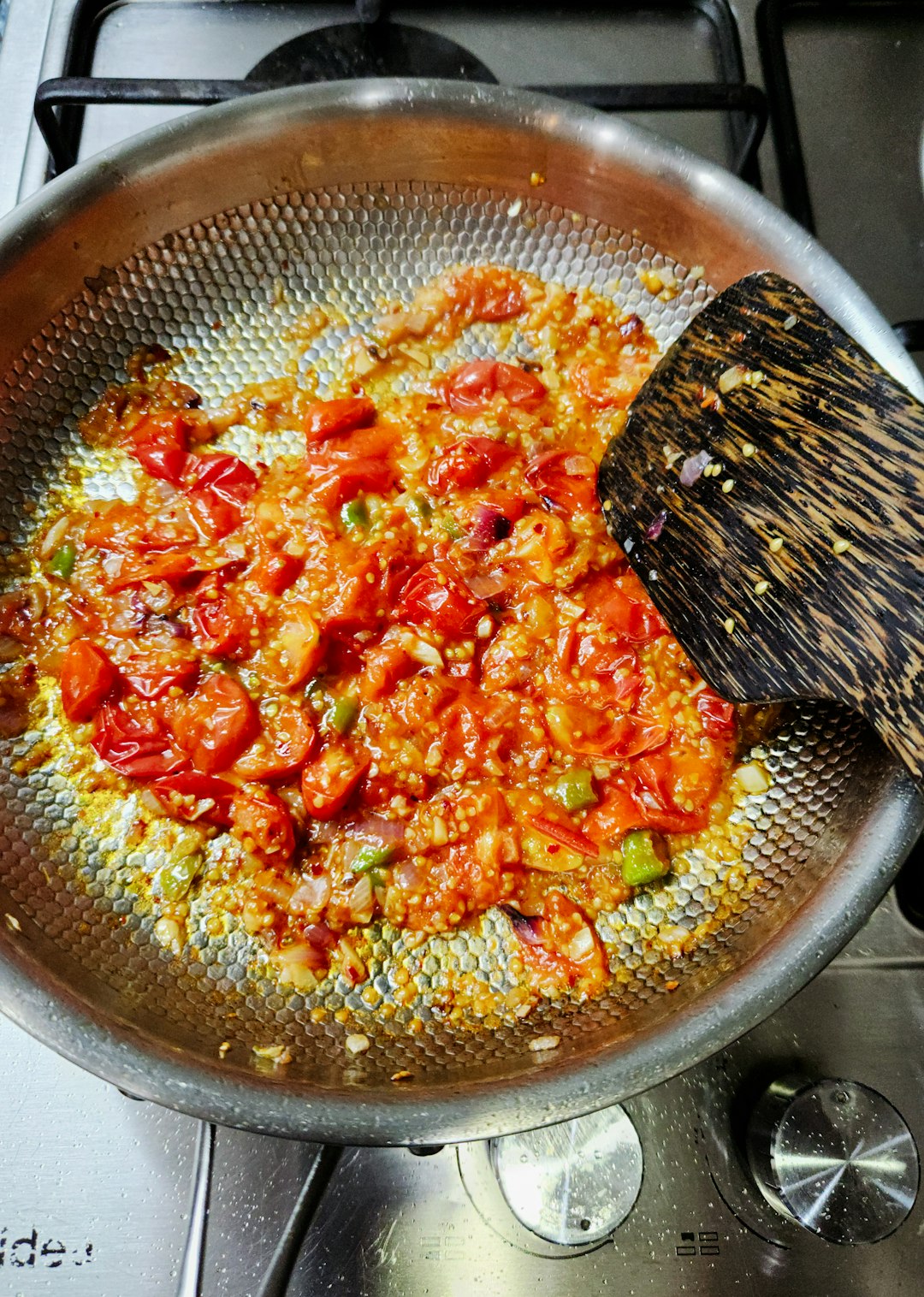
Now, timing and technique are everything. Start with a good amount of olive oil—enough to coat the bottom of your pan. Add finely chopped onions and garlic. Let them sweat, not brown, to bring out their sweetness. Then, add your tomatoes. Fresh is best, but canned can work if you're in a pinch. Crush them with your hands or a fork. You want a rustic texture, not a puree.
As for the herbs, add them towards the end of your cooking process. This helps them retain their fresh flavors. Basil is delicate; it can lose its punch if cooked too long. Oregano is a bit sturdier, so it can go in earlier. Taste as you go. Salt and pepper are your friends, but don't overdo it. Let the ingredients speak for themselves.
Common mistake? Rushing the simmering process. A good sauce takes time. If you don't let it simmer long enough, you miss out on depth of flavor. It should be thick enough to coat pasta, not watery. Get it right, and you've got a sauce that's more than just a topping. It's a testament to Central Italy's agricultural prowess.
Examine how Central Italy’s climate affects the growth of ingredients and sauce flavors.
Central Italy's tomato and herb sauces are a staple in the culinary world. These sauces are not just about tomatoes and herbs combined. They are a reflection of the region's climate and agriculture. The tomatoes, for instance, are often San Marzano or Roma varieties, prized for their rich flavor and low acidity. These tomatoes thrive in Central Italy's warm, sunny climate, which helps concentrate their natural sugars and flavors.
Key Ingredients and Their Characteristics:
Fresh herbs play a crucial role, too. Basil, oregano, and rosemary are commonly used, and each brings something unique. Basil adds a sweet and slightly peppery note, while oregano offers a robust, earthy taste. Rosemary, with its pine-like aroma, can elevate the sauce's complexity. The timing of when you add these herbs matters. Adding them too early can result in a loss of flavor due to prolonged cooking.
One common mistake is over-reducing the sauce. This can lead to a loss of that vibrant, fresh taste that makes these sauces so beloved. Another pitfall is not using enough salt. Salt enhances the natural flavors of tomatoes and herbs, making the sauce more balanced.
If you're aiming for authenticity, it's crucial to use high-quality olive oil. Central Italy is known for its excellent olive oils, which add a smooth, fruity undertone to the sauce. Remember, the goal is a sauce that is harmonious, where no single ingredient overpowers the others. This balance is what makes Central Italy's tomato and herb sauces a cornerstone in gourmet cooking.
List the essential kitchen tools necessary for preparing and perfecting sauces.
When diving into the world of Central Italy's tomato and herb sauces, you're exploring a culinary tradition deeply tied to the region's climate and agriculture. It's not just about combining tomatoes and herbs; it's an art that requires understanding how these elements interact. The tomatoes grown in Central Italy benefit from a mild climate, making them juicy and sweet. This sweetness forms the backbone of the sauce, enhanced by fresh herbs like basil, oregano, and parsley. These herbs aren't just garnish; they're vital for creating the complex flavors that make these sauces unique.
Timing is crucial when making these sauces. For the tomatoes, ripeness is key. Overripe tomatoes can make the sauce too watery, while underripe ones lack flavor. You want them just right. When it comes to herbs, they should be added at the right moment—usually towards the end of cooking. This preserves their aromatic qualities, preventing them from turning bitter.
A common mistake is overcooking the sauce. While it's tempting to let it simmer for hours, this can dull the flavors and make the sauce too thick. Instead, aim for a balance. Cook it long enough to meld the flavors, but not so long that it loses its vibrancy. Another pitfall is not seasoning correctly. Salt is your friend here, but it's easy to go overboard. Taste as you go.
Understanding these nuances helps you appreciate why these sauces are beloved by food enthusiasts and amateur chefs alike. They're more than just a topping; they're a reflection of the land they come from, a taste of Central Italy in every bite.
Identify frequent errors in sauce preparation and ways to overcome them.
When diving into the world of Central Italy's tomato and herb sauces, the first thing to grasp is their reliance on fresh, local ingredients. These sauces aren't just about throwing tomatoes and herbs into a pot and hoping for the best. The regional climate plays a significant role, offering a perfect environment for growing vibrant tomatoes and aromatic herbs. The result? Sauces that explode with flavors unique to this part of the world. But there's more to it than just ingredients. The technique matters.
Start with selecting the right tomatoes. San Marzano tomatoes are often the go-to choice. Known for their rich flavor and low acidity, they form the backbone of many traditional recipes. If you skip this step and choose average tomatoes, the sauce might turn out bland. And fresh herbs? Basil, oregano, and sometimes parsley are the stars here. Dried herbs just don't cut it. They lack the punch needed to create a sauce that sings.
Timing is crucial, too. Cook your sauce low and slow. This allows flavors to meld together, creating a depth that quick cooking can't achieve. Rushing the process is a common mistake. It results in a sauce that tastes raw or overly acidic. Also, don't forget to season well. Salt and a touch of sugar can balance the acidity of the tomatoes, but too much sugar can make it taste like candy. You don't want that.
Finally, don't drown the sauce in oil. A tablespoon or two of good olive oil is enough. Too much and it becomes greasy, overpowering the fresh, bright flavors. Getting these elements right can make the difference between a sauce that's merely good and one that's unforgettable.
Advice on matching sauces with pasta types and additional dishes for a complete meal.
Central Italy's tomato and herb sauces are truly special. These sauces aren't just about tossing tomatoes and herbs into a pot. They're a reflection of the region's climate and agriculture. You've got the rolling hills and the warm sun that make the tomatoes here burst with flavor. The herbs? Fresh and fragrant. Basil, oregano, and sometimes a hint of rosemary. These ingredients are the backbone of the sauce's vibrant and aromatic profile.
Now, when you're making these sauces, timing is everything. You want to use tomatoes at their peak ripeness. That means late summer, early autumn. This is when they have that perfect balance of sweetness and acidity. If you go for out-of-season tomatoes, you're missing out on that depth of flavor.
A common mistake is overcooking the herbs. Fresh herbs should be added towards the end of cooking. You want them to infuse gently, not lose their essence. If you add them too soon, they turn bitter, and that's not what you want.
Another thing, don't skimp on quality. Use extra virgin olive oil. It's not just a lubricant; it's a key flavor component. The oil carries the flavors, ties them together. If you don't use a good one, the sauce falls flat.
Understanding these details can elevate your sauce from ordinary to extraordinary. It's about respecting the ingredients, knowing when and how to use them. Get it right, and you're not just making a sauce; you're capturing the essence of Central Italy in a dish.